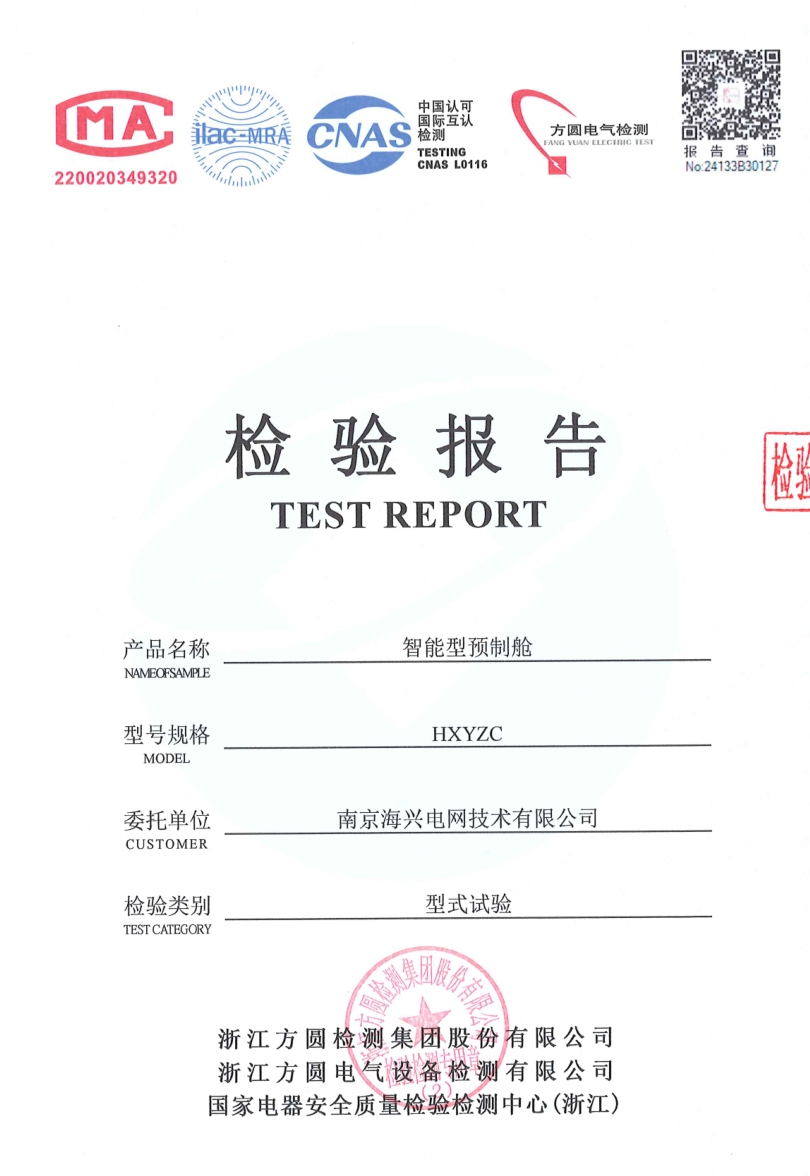


Smart Prefabricated Cabin
Product Description
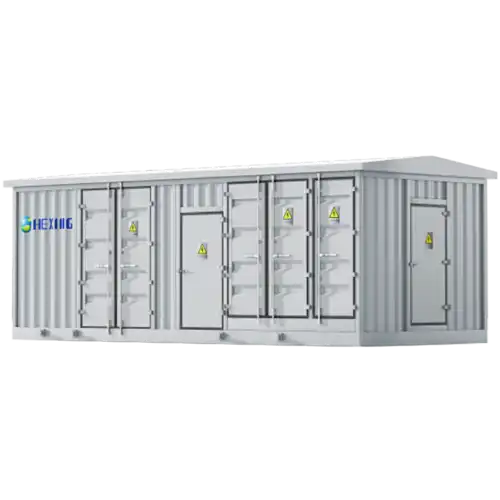
The smart prefabricated cabin (also known as a modular prefabricated enclosure) is a new type of electrical equipment installation carrier based on industrialized production and integrated design, primarily utilized in power engineering scenarios such as photovoltaic power plants, energy storage systems, and substations. It is typically constructed from Q235 cold-rolled steel sheets or stainless steel. After being formed through CNC cutting and welding, it undergoes surface treatment via sandblasting rust removal followed by electrostatic powder coating (or fluorocarbon spraying), achieving a protection rating of IP54 or above (which can be elevated to IP65 for products in specific special environments), and delivering exceptional anti-corrosion, waterproof, dustproof, wind-resistant, and seismic performance.
The interior of the cabin integrates a comprehensive suite of electrical equipment and auxiliary facilities, including power distribution cabinets, combiner boxes, inverters, power conversion systems (PCS), monitoring systems, ventilation/cooling/air conditioning equipment, fire fighting devices, and grounding systems. Equipment installation, wiring debugging, and functional testing are fully completed during the factory prefabrication stage; on-site, only foundation anchoring, cable connections, and grid-connection commissioning are required to put the system into operation, drastically shortening the field construction cycle by more than 60% compared to traditional civil engineering equipment rooms.
Its specifications can be customized based on project requirements, with common dimensions ranging from 2m × 3m × 2.5m (small) to 6m × 3m × 3m (large). Engineered to adapt to a wide temperature environment of –35°C to +75°C, it supports direct outdoor deployment while offering modular splicing characteristics for flexible capacity expansion. Through standardized design, industrialized production, and modular integration, the prefabricated cabin effectively resolves problems associated with traditional civil power rooms, such as long construction periods, complex on-site execution, and poor environmental adaptability. It is widely applied as the outdoor power distribution and control center for utility-scale PV plants, energy storage stations, distributed energy projects, and smart substations, providing a secure, efficient, and mobile all-in-one solution for power systems.

Product Advantages