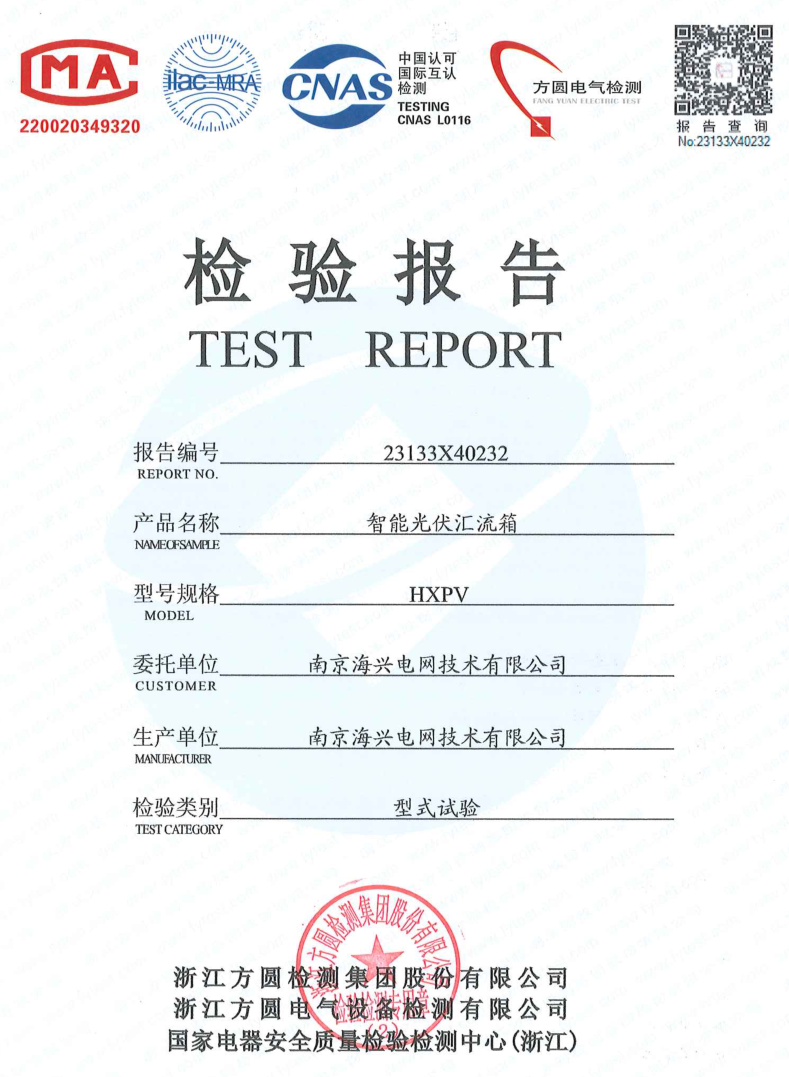


Smart PV DC/AC Combiner Box
Product Description
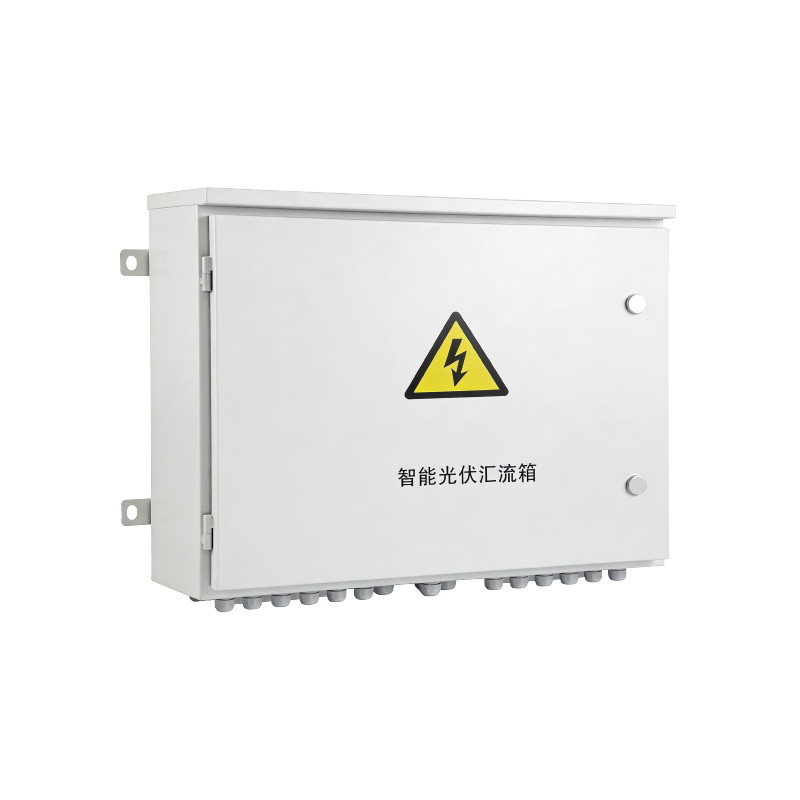
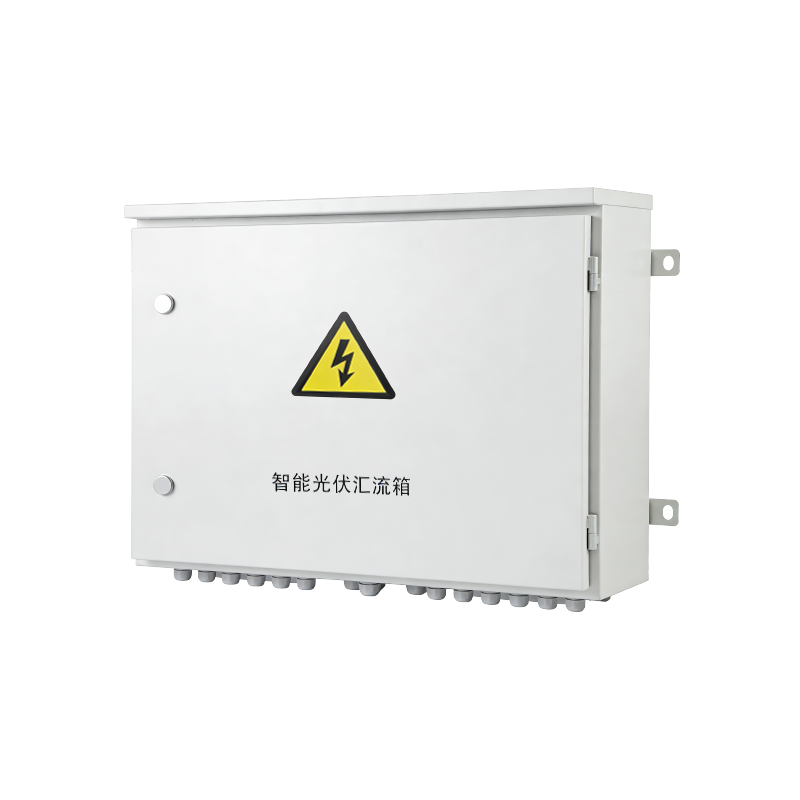
The PV DC combiner box is the core intermediate equipment in a photovoltaic power generation system that interfaces between the PV modules and the inverter. It typically features an enclosure made of powder-coated steel or stainless steel with a protection rating of IP54 or above, and can accept 2 to 24 channels of PV array DC input. Through core internal components such as PV-specific DC fuses, anti-reverse diodes, and high-voltage surge arresters, it achieves functions including multi-channel current convergence, branch short-circuit protection, anti-recirculation, and lightning protection. Some products are equipped with intelligent monitoring modules to capture real-time current and voltage for each branch as well as device status data, transmitting this info via an RS485 interface. It effectively simplifies the wiring complexity between PV modules and inverters, narrows the scope of fault impact, adapts to ambient temperatures from –35°C to +75°C and operational voltages of DC 1000V/1500V, and is widely applied in utility-scale PV plants and distributed PV projects to guarantee the safe and stable operation of the system.
The PV AC combiner box is the critical power distribution equipment in a photovoltaic power generation system that interfaces between the inverter and the grid-tied cabinet (or transformer). It typically features an enclosure made of powder-coated steel or stainless steel with a protection rating of IP54 or above, and can accept multi-channel AC inputs from inverters (commonly 3 to 16 channels). Through core internal components such as AC circuit breakers, disconnector switches, surge protective devices (SPDs), and grounding terminals, it achieves functions including multi-channel AC power convergence, distribution, overload/short-circuit protection, and lightning grounding. Some products integrate intelligent monitoring modules to capture real-time current, voltage, power, and switch status data for each branch, transmitting this info via an RS485 interface (Modbus RTU protocol). It adapts to common grid-tied voltage levels such as AC 380V/400V and ambient temperatures from –30°C to +70°C, effectively simplifying the wiring architecture between the inverter and subsequent equipment, reducing system losses, and narrowing the scope of fault impact. It is widely applied in the AC-side power distribution stages of utility-scale PV plants, distributed PV projects, and energy storage systems to guarantee stable power transmission to the grid.

Product Advantages